Food & Dining
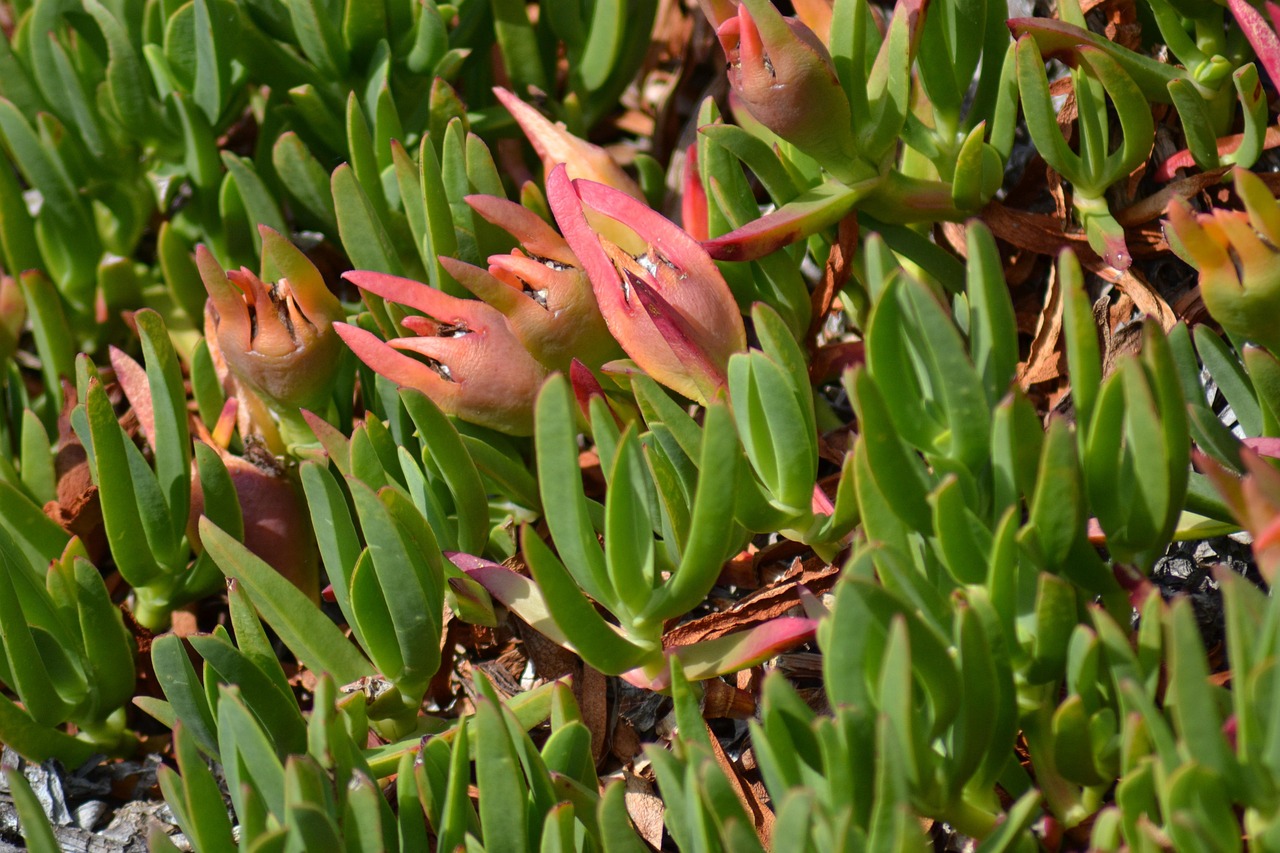
Gardening on this coast is not like gardening most places. The fog that makes our summers cool also keeps the soil damp and the light soft, which some plants adore and others quietly hate. Salt rides in on the wind and burns tender leaves. The soil is often sandy, fast-draining, and low in nutrients. And yet, once you learn the rules, this can be one of the most rewarding places to garden anywhere in California.
The first rule is to stop fighting the climate. Anything that needs blazing heat, dry air, or rich soil will struggle here no matter how much you baby it. Anything that evolved for coastal conditions will settle in and thrive with almost no help at all.
Start with the natives. California lilac, manzanita, coffeeberry, and native grasses all handle wind, salt, and fog without complaint. Yarrow and California fuchsia bring color and feed pollinators. For structure, nothing beats the Monterey cypress and the coast live oak, though both need room to become what they're meant to be.
Beyond natives, a few reliable performers show up in garden after garden here. Lavender loves the drainage and the sun when it appears. Rosemary becomes a hedge if you let it. Hebe, echium, and pelargoniums handle salt spray better than most. Succulents and aeoniums are practically foolproof in pots, where you can control the soil and move them out of the worst wind. And for cut flowers, alstroemeria and dahlias do surprisingly well in a sheltered spot.
What to avoid? Anything that needs consistent heat — tomatoes, peppers, and most citrus will disappoint unless you have a protected south-facing wall. Roses grow but often sulk in the fog. And thirstier plants will demand water you'd rather not spend.
Wind is the real architect of a coastal garden. A hedge or fence on the windward side changes everything, slowing the airflow and letting delicate plants survive. Even a few well-placed shrubs can create a pocket of calm. Mulch heavily to hold moisture and suppress weeds, and water deeply but less often to encourage roots to go down.
Fog is your ally more than your enemy. It delivers moisture, reduces evaporation, and keeps plants from baking. The trade-off is fungal issues, so space plants for airflow and avoid overhead watering in the evening. If you're growing vegetables, choose cool-season crops — kale, chard, lettuce, peas, and brassicas — and you'll harvest more than you expect.
The best coastal gardens here look like they belong, because they do. They're a little wild, a little windblown, and full of plants that have made peace with the place. That's the goal. Not a manicured showpiece, but a garden that feels like a natural extension of the coast — and that gives you something to enjoy every time you step outside.
