Food & Dining
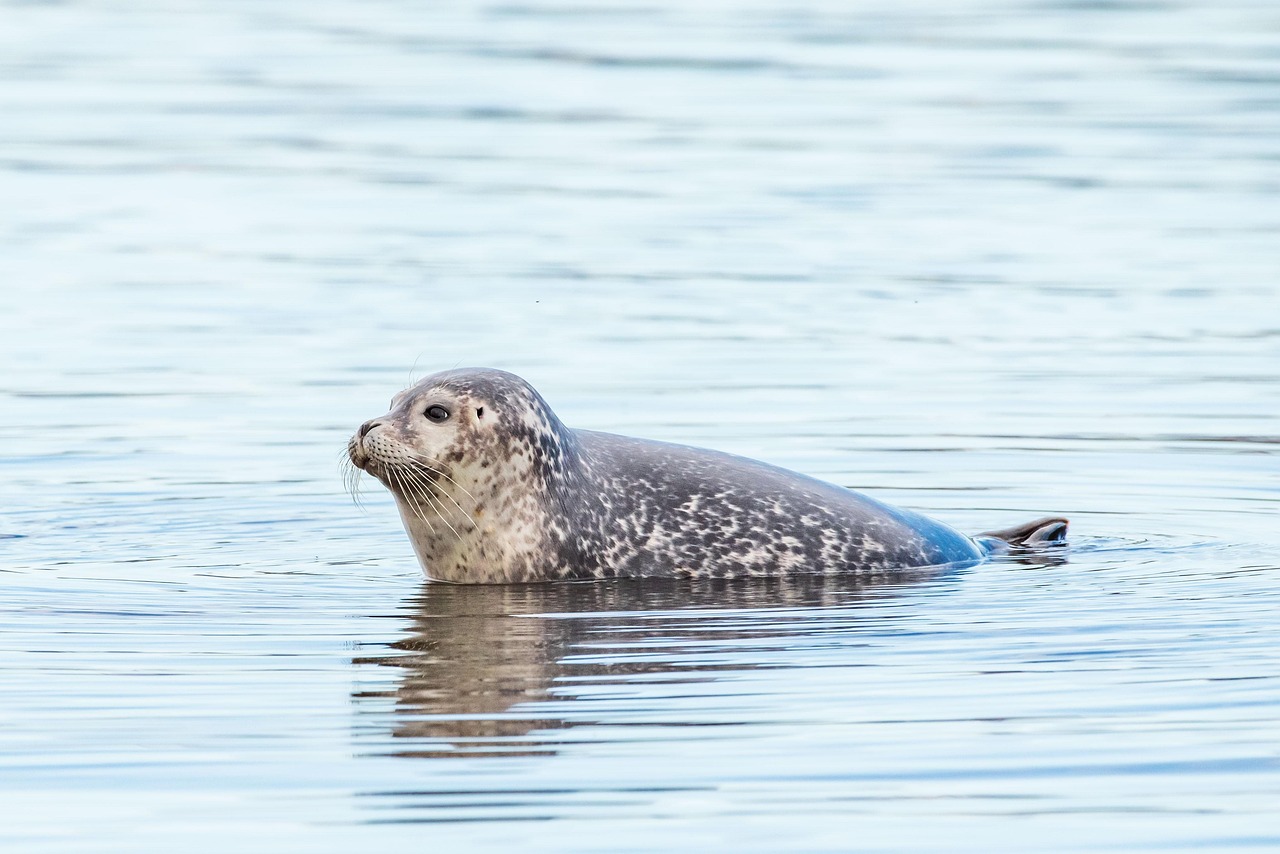
One of the unexpected gifts of living on this stretch of coast is how often the wildlife comes to you. You don't need a boat, a guide, or even a pair of binoculars to spot something remarkable. A morning walk along the shoreline often turns into an impromptu nature documentary, and residents who slow down long enough to look are regularly rewarded.
Harbor seals are the most reliable sighting. They haul out on the rocks just offshore to warm up and rest, often lying in loose piles that look almost like driftwood until one of them lifts its head. Pups appear in spring, and it's worth remembering that a seal alone on the beach is usually not abandoned — it's resting while its mother feeds nearby. Give it space and keep dogs well back.
Sea otters float just beyond the kelp, often on their backs, cracking shellfish on their chests with a small rock. They're a favorite for visitors, but locals know the best viewing is early in the day when the water is calm and the light is low. Shorebirds work the wet sand in flocks — sanderlings racing the incoming waves, curlews probing the mud with their long bills, and the occasional great blue heron standing perfectly still near the rocks.
Further out, you may catch the spout of a migrating gray whale in winter and early spring, or a pod of dolphins moving fast along the bay. Pelicans patrol the surf line in loose formations. None of this is guaranteed, which is part of what makes it feel like a gift when it happens.
The rule that serves everyone best is simple: stay back, stay quiet, and let the animals decide how close they want to be. A good distance for seals and otters is at least a hundred yards, and more if pups are present. Never feed wildlife, never chase a photo, and keep drones grounded — they spook marine mammals and birds, and they're prohibited in many protected areas along the coast.
If you're new to the area, the shoreline near the rocky points tends to be the most productive. Bring a jacket, since the fog can roll in fast, and go at low tide if you want to see the intertidal life as well. Tidepooling is wonderful here, but remember that everything in a tidepool is alive and fragile — look, don't pry.
The best part of wildlife watching here isn't the checklist of species. It's the way a fifteen-minute walk can reset your whole day. Residents who make a habit of it tend to describe the same thing: the coast feels less like scenery and more like a neighborhood, full of creatures going about their business, and we're lucky enough to share it with them.
