Food & Dining
Most players lose at casinos for one boring reason: they don't understand what they're actually paying for. They blame bad luck, rigged software, or the dealer's suspiciously good mood. The truth is far less dramatic. Every bet you place has a price tag, and once you learn to read that price tag, the entire iGaming landscape stops looking like a slot machine and starts looking like a menu. You get to choose how much you're willing to pay for entertainment — and that single shift in thinking separates the people who last a decade from the ones who blow their rent on a Tuesday night.
Here's the part the flashy banners never explain. Casino games are not designed to be fair. They're designed to be close to fair, with a small, predictable slice taken by the operator. That slice is the house edge, and it varies enormously from game to game.
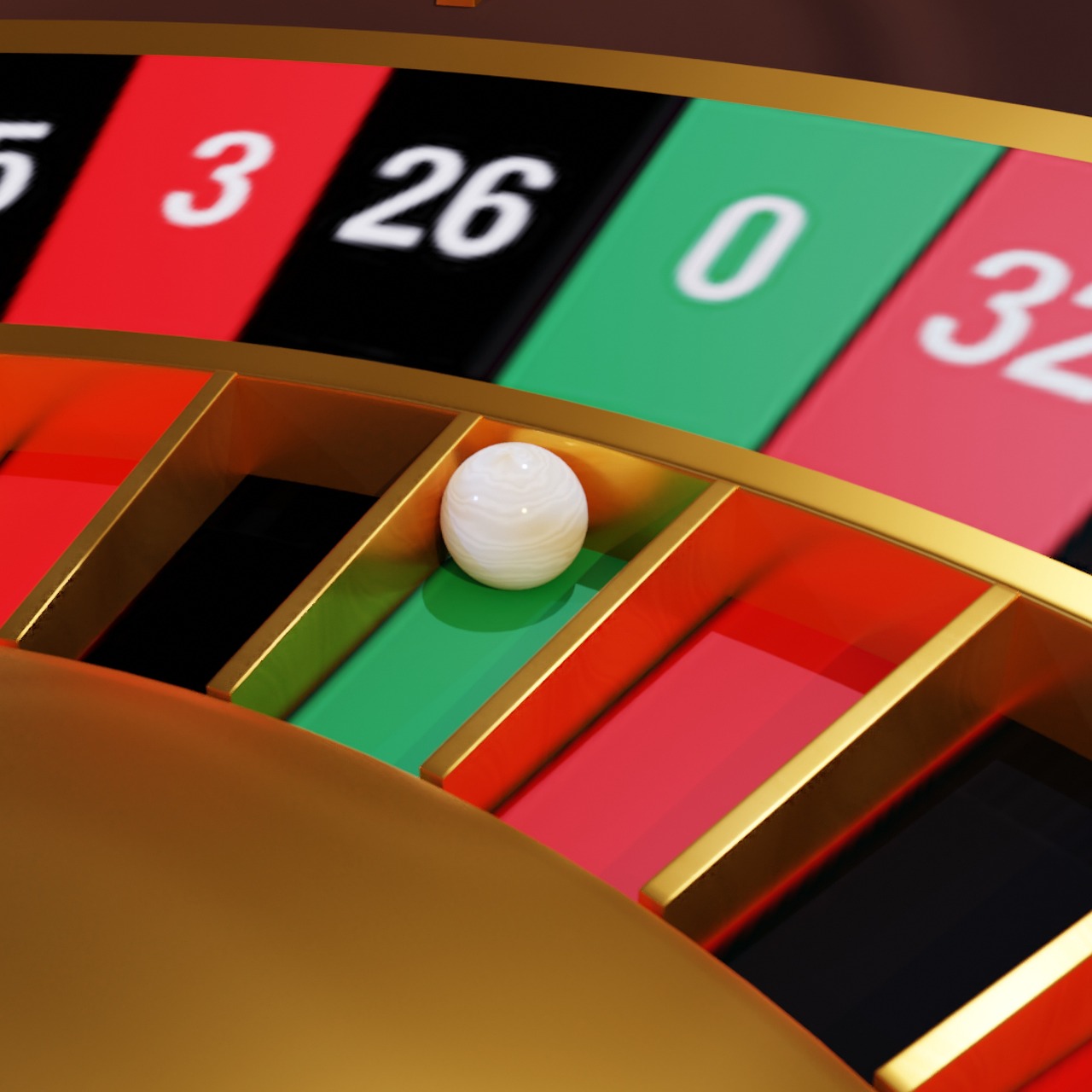
Notice something? Two roulette wheels sit side by side in the same casino, and one is almost twice as expensive to play as the other. The only difference is a second green pocket. That's not luck. That's arithmetic, and arithmetic is the one thing in a casino that never lies to you.
Let's say you run $1,000 through slots with an average 4% house edge versus $1,000 through blackjack at 0.5%. On slots, your expected loss is $40. On blackjack, it's $5. Now imagine you do that every weekend for a year. The gap isn't $35 anymore. It's north of $1,800. The house edge isn't a fee you pay once — it's a tax that gets charged on every single wager, and the total depends entirely on how much volume you push through.
Players obsess over RTP — return to player percentage — and completely ignore volatility, which matters more for how your session actually feels. A slot with 96% RTP and low volatility will grind your bankroll down slowly with frequent small wins. The same 96% RTP with extreme volatility might pay nothing for 400 spins and then hand you a 2,000x multiplier. Same expected return, wildly different experience.
Practical takeaways that actually help:
Sports betting has the same math, just dressed in different clothing. The bookmaker's margin, called the vig or juice, is baked into the odds. When you see a standard -110 line on both sides of a spread, that's roughly a 4.5% edge to the book. Sharp bettors look for lines that price closer to -105 or even -102, because shaving two or three points of margin off every bet changes your long-term results dramatically. If this is new to you, OK68 is a sensible next read.
Two habits worth building:
Also, consider that markets like the NFL main lines are ruthlessly efficient, while niche leagues, obscure player props, and lower-tier football divisions often carry softer lines. Finding an inefficient market is worth more than any handicapping tip.
Poker is the exception in the iGaming world because you're not playing against the house — you're playing against other people, and the house just takes a rake. That means a skilled player can genuinely be profitable long term. But "skilled" is doing heavy lifting in that sentence.
Rake structures matter enormously. A 5% rake capped at $3 is beatable in a soft game; an uncapped 10% rake is a slow bleed that even good players struggle against. If you're grinding micro-stakes cash games, make sure you understand the exact rake at your limit before you decide you're "just running bad."
Bankroll management is the other non-negotiable. A common guideline for cash games is 20 to 40 buy-ins for the stake you're playing. If you're at $0.25/$0.50, that's $1,000 to $2,000. Jumping stakes because you won three sessions in a row is how profitable players go broke.
Winning sessions are not proof of skill. Neither are losing ones. Better indicators include how often you fold, whether you're tracking your results honestly, and if you can explain why you made each significant decision. If you can't articulate the reasoning, you probably got lucky — and luck has a short memory.
The single biggest predictor of how much you lose isn't which game you pick. It's how many hands, spins, or bets you put through it. A player running $500 through a 1% edge game loses about $5 in expectation. The same player running $50,000 through the identical game loses $500. Same game, same skill, ten times the damage — purely from volume.
This is why bonus terms matter so much. A generous-looking 100% deposit match with a 40x wagering requirement on slots effectively forces you through enormous volume, which hands most of the bonus value back to the casino. Read the wagering requirement before you read the bonus amount. Always.
The healthiest mindset in iGaming is treating your expected loss as the price of admission, the same way you'd pay for a concert or a football match. Decide in advance what that ticket costs, pick games with reasonable edges, avoid chasing losses, and never play with money you'd be upset to lose.
The house edge is not your enemy. Ignorance of it is. The players who enjoy this world for decades are not the ones who got lucky once — they're the ones who understood the price of the ticket and bought it on their own terms. Do that, and the games stay fun, the losses stay predictable, and the occasional big win actually feels like a win instead of a comeback.
